

Blog 27/ Carrying the Legacy Forward: Black History, Policy, and a Doctorate Rooted in Community
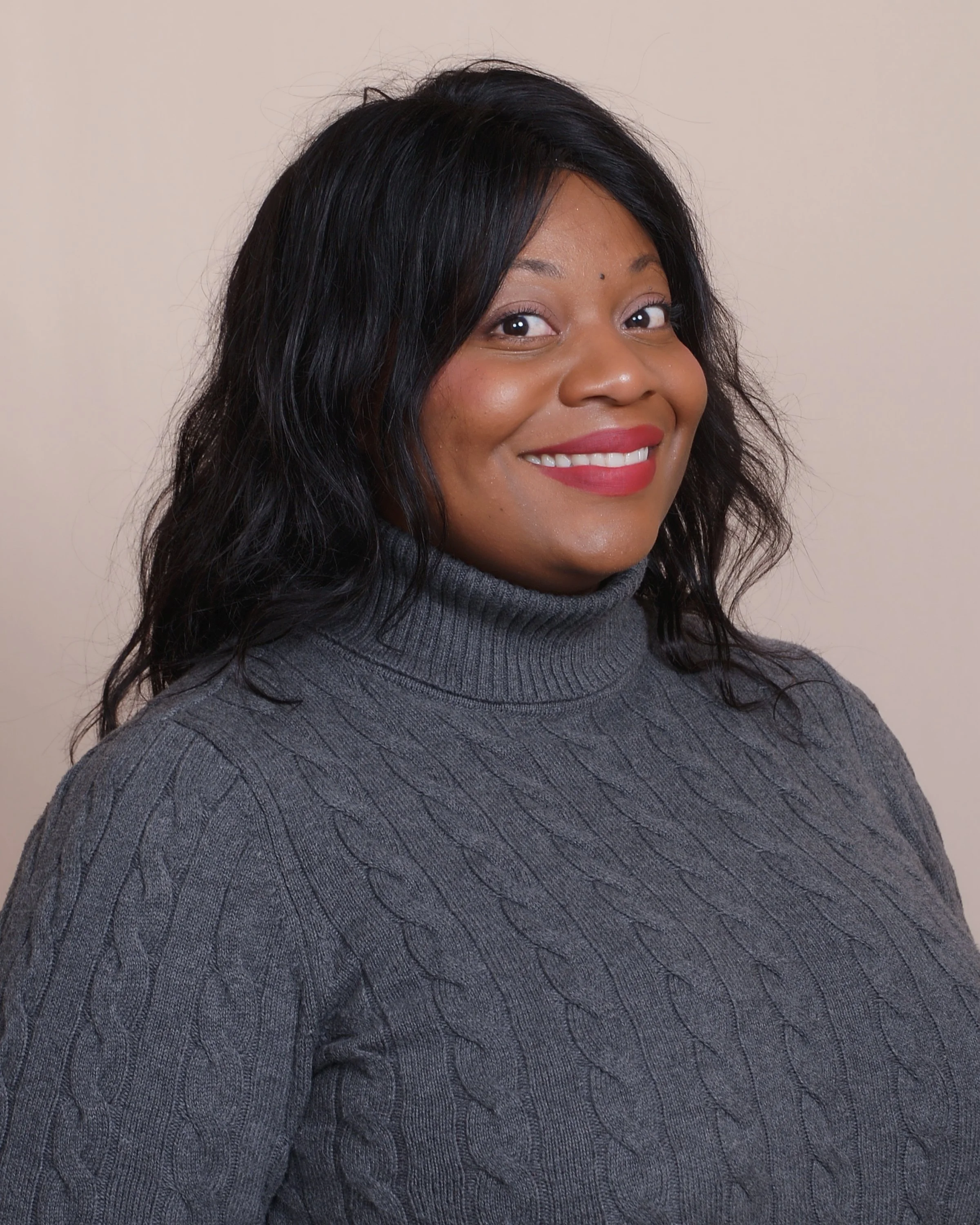
I am Black History.
Black History Month has always been about more than remembrance for me. It has been about continuation.
This February feels especially sacred.
As a newly minted Doctor of Education, a South Phoenix native, and the first in my family to earn a doctorate degree, I am acutely aware that my journey did not begin with me.
Susan B. Perkins, my great-aunt—my mother’s aunt—who raised my mother and was deeply active in voter engagement efforts in Phoenix during the 1950s and 1960s. At a time when access to the ballot was contested, surveilled, and actively suppressed, she worked the polls, defended voters, and ensured that community members were not turned away from their civic rights.
I often think about what it meant to stand at those polling places in Arizona—challenging intimidation, making phone calls for legal support, insisting that people be allowed to vote. That kind of courage does not disappear. It travels.
This month, I feel it traveling through me.
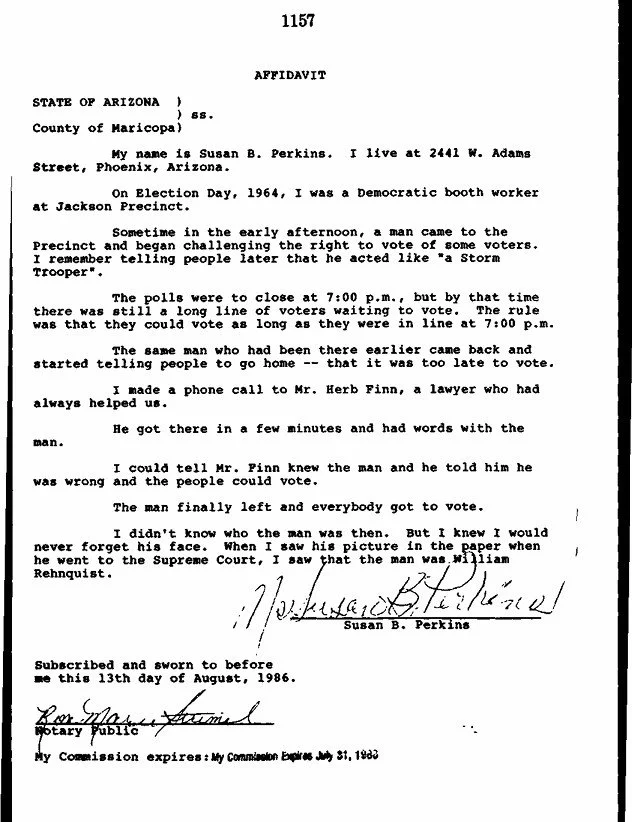
Archival affidavit documenting my great-aunt Susan B. Perkins’ role in protecting voter access in Phoenix, Arizona during the mid-20th century.
My commitment to equity and access is not theoretical—it is inherited. My great-aunt’s work defending voter access in Phoenix is preserved in historical affidavits, reminding me that advocacy has always lived in my family.
From the Polls to Policy: A New Chapter of Advocacy
In February, I will be presenting my research at the Arizona Governor’s Office of African American Affairs Legislative Day, examining the policy consequences of dismantling equity infrastructure in education. My session—When Equity Infrastructure Disappears: Policy Consequences for Black Student Engagement, Belonging, and Educational Access—centers how governance decisions reverberate through students’ lives, long after programs are cut and headlines move on.
This work is grounded in my phenomenological dissertation research and introduces what I have named the Post-DEI Hollowing Phenomenon™—a framework that captures the institutional and emotional void created when identity-affirming structures are removed. My findings show that when equity supports are framed as optional or ideological rather than essential infrastructure, students experience loss of psychological safety, conditional engagement, and erosion of trust. These are not abstract outcomes; they are measurable, lived realities that affect retention, completion, and long-term civic participation.
Policy decisions outlast programs—and students live with the results.
Presenting this research in a legislative space marks a new genre for me. While I have spent years in higher education classrooms and academic conferences, stepping into policy dialogue feels both adventurous and deeply aligned with my lineage. It is advocacy informed by data. It is scholarship shaped by lived experience.
A South Phoenix Story, A National Platform
Just last month, I presented this work at my first national conference—another milestone that reminded me how far this journey has traveled. To move from South Phoenix to national and state platforms, carrying research that names harm, centers students, and insists on accountability, is not something I take lightly.
I am one of a select few chosen to present at this upcoming conference and I hold that responsibility with reverence.
I imagine my ancestors—those who stood at polling places, who made sure voices were counted, who believed participation mattered—looking at this moment with pride. Not because of titles or degrees alone, but because the work remains the same at its core: protecting access, affirming dignity, and ensuring that systems serve people rather than erase them.
Black History Is Not Finished
Black History Month reminds us that history is not static. It is active. It is unfolding.
My doctorate is not the end of a story—it is a continuation of one that began long before me. And as I step into policy spaces, national conversations, and new forms of public scholarship, I do so carrying my family, my community, and the students whose voices too often go unheard.
This is what it means to carry a legacy forward.
And this is only the beginning.
Remember, bold conversations, brewed fresh - one cup at a time!
Dr. Courtney Nicole Johnson
Founder of CourtneyCoffeeChats
Bold Conversations, Brewed Fresh.
Welcome to The Coffeehouse Collection - where higher education meets heart. Here, you will find Scholarly Sips, Courageous Cups, Life Latte Moments, and Freshly Brewed Reflections - bold conversation and personal insights brewed just for you!
